Workplace flexibility is no longer a perk or a temporary response to disruption—it has become a defining feature of how organizations operate in 2026. Across industries, companies are moving beyond rigid office schedules toward models that combine remote work, flexible hours, and purpose-driven office use. What began as a pandemic-era necessity has evolved into a long-term shift in how work is structured, managed, and experienced.
Recent research shows just how deeply embedded this transformation has become. According to the Chartered Institute of Personnel and Development, 91% of organizations now offer some form of flexible working, and 74% have adopted hybrid models as a standard way of operating. At the same time, 80% of employees report that flexible work has improved their quality of life, highlighting its growing importance not just for productivity, but for employee wellbeing and retention.
This shift is not only widespread—it is also structural. Research from Eurofound shows that hybrid work has moved from a temporary solution to a permanent organizational model, fundamentally changing how companies design work, manage teams, and use office space. At the same time, data from the European Central Bank indicates that hybrid work is now the preferred model for many employees, with high satisfaction levels among those who split time between home and office.
For organizations, this creates both opportunity and complexity. Flexible work can improve talent attraction, retention, and employee experience—but it also requires new approaches to workplace strategy, technology, and coordination. In 2026, the challenge is no longer whether to offer flexibility, but how to operationalize it in a way that drives performance, supports collaboration, and aligns with long-term business goals.
What is Workplace Flexibility?
Workplace flexibility is defined as the ability for employees to make choices about when, where, and for how long they work, rather than being restricted to fixed schedules or locations.
In practice, this means giving employees greater control over their working hours, location, and work patterns—while still ensuring that business objectives and performance expectations are met. This reflects a broader shift toward outcome-based work, where performance is measured by results rather than time spent in a specific place.
3 Benefits of Offering Workplace Flexibility
Greater Work-Life Balance
When employees have complete power to choose where and how they work, they’re less likely to find themselves in stressful situations. Less stress equals greater motivation and improved productivity, leading to optimal performance overall. Research from Springer shows that 38% of organizations report productivity improvements from hybrid or remote work. Without the shadow of stress looming over employees, they’re also more likely to switch off when they get home. Therefore, they can spend more time doing what they love outside of work and not bring the troubles of the office with them. Not only is this great for the employee, but it’s fantastic for you as an employer. You’re more likely to retain your top talent, helping them to perform at their best, plus they’ll likely recommend you to other workers in the industry.
Greater Autonomy
There’s no doubt working independently in ways that suit individual employees provides an opportunity for autonomy. Without coworkers by their side, people have time to mull over and develop their own ideas for current projects. In doing so, they’re not only evolving professionally by expanding their skill set, but they’ll also build confidence in tasks they’re less familiar with. Flexible work models increase employee autonomy, giving individuals greater control over how, when, and where they work, which has been consistently linked to higher well-being, job satisfaction, and improved performance in academic research.
Employee Retention
Workplace flexibility has a direct impact on employee retention. According to the World Economic Forum, flexibility is one of the most important factors influencing employee engagement and retention in modern workplaces. Introducing workplace flexibility demonstrates that you trust your employees to complete tasks in a way that works for them. This will most likely mean your teams have more respect for you and are more likely to stay within the company. Plus, it’s no secret that a happier workforce is more likely to speak positively about the organisation. Perhaps your teams will feel more confident recommending the workplace to those currently scouring the job market given the level of trust they know they’ll receive from the employer.
3 Simple Ways to Offer Workplace Flexibility
Implementing workplace flexibility does not require a complete overhaul of your organization. In most cases, it comes down to introducing the right systems that give employees more control while helping the business maintain structure and efficiency.
Enable flexible seating with desk booking
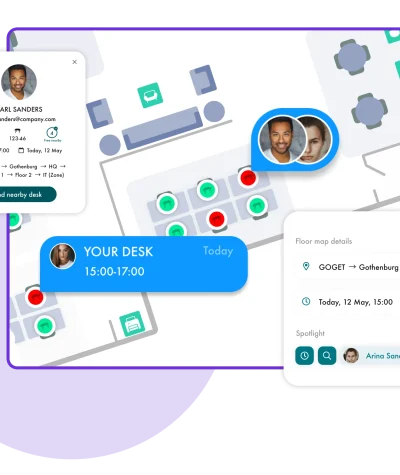
A flexible workplace starts with giving employees the freedom to choose where they work when they come into the office. By introducing desk booking organizations can move away from fixed seating and allow employees to reserve desks based on their needs for the day. This not only supports autonomy but also ensures that office space is used efficiently as attendance fluctuates.
Make collaboration seamless with room booking
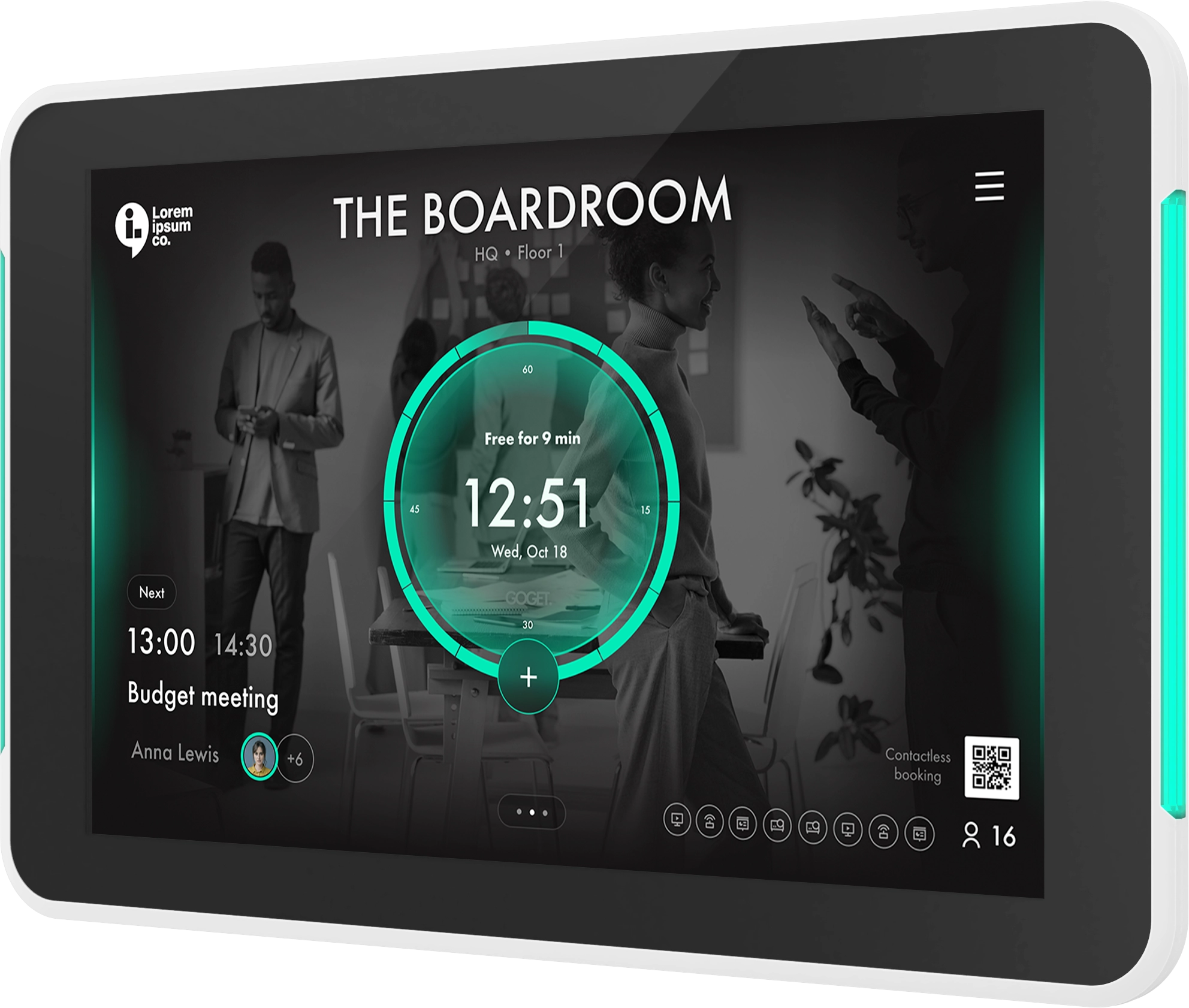
Flexibility is not just about individual work—it also needs to support collaboration. With a room booking system, employees can easily find and reserve meeting spaces when they need them, whether for planned meetings or spontaneous collaboration. This reduces friction in hybrid environments and ensures that teams can work together effectively regardless of where they are based.
Use data and visibility to optimize the workplace
To make flexibility work long-term, organizations need visibility into how their spaces are actually being used. Workplace analytics provide data on occupancy, usage patterns, and trends, enabling smarter decisions about space allocation. Combined with interactive maps, employees can easily navigate the office, find available spaces, and locate colleagues—creating a more intuitive and connected workplace experience.
Making Workplace Flexibility Work in Practice
Workplace flexibility only delivers value when it is supported by the right structure. Without clear systems in place, hybrid work can quickly lead to uncertainty around space usage, missed collaboration opportunities, and inefficient offices. The organizations that succeed are those that turn flexibility into something operational—not just something optional.
In practice, this means creating an environment where employees can plan their workdays with confidence and navigate the workplace without friction. With desk booking, employees gain the ability to choose where they work based on their needs, while room booking ensures that collaboration spaces are always accessible when needed. At the same time, workplace analytics provide the visibility required to continuously improve how office space is used.
When these elements come together, flexibility becomes predictable, measurable, and scalable. Instead of adapting to change, organizations can take control of it—creating a workplace that supports both business performance and employee experience.
Ready to make workplace flexibility work in practice?
Explore how our workspace solutions can support your workplace flexibility, or book a demo to see it in action.